An In-Depth Look at Schedule I
As an experienced gamer with a keen eye for innovation and detail, I was intrigued the moment I first encountered Schedule I. This game takes a refreshing approach to the genre by combining deep narrative elements with engaging gameplay mechanics. Over the span of multiple sessions, I found that Schedule I managed to continually surprise me with its layered storytelling and intricate level design.
Story and Atmosphere
Schedule I’s narrative immerses you in a world where mystery and strategy converge seamlessly. Instead of relying on repetitive tropes, the game alters its pace and tone as you progress, revealing hidden agendas and moral quandaries that keep you on your toes. The plot is constructed in a way that encourages critical thinking, and its storyline unfolds gradually, making each new chapter a revelation. The game’s atmosphere is further enhanced by its ambient soundscapes and meticulously crafted visuals that set the perfect mood for exploration.
One of the most commendable elements in Schedule I is how it maneuvers around traditional linear storytelling. The narrative allows for numerous branching paths, meaning how you choose to navigate through the challenges plays a major role in how the plot unfolds. This structure offers replay value and ensures that every playthrough can feel distinctly personal.
Gameplay Mechanics and Experience
For those who enjoy action and strategy blended with puzzle elements, Schedule I delivers on multiple fronts. The core gameplay mechanics are intuitive yet layered with complexity, ensuring that whether you are a veteran gamer or new to the scene, you can find enjoyment in its challenges. From the moment you decide to download the game and begin your journey, the intuitive interface and straightforward instructions help you adapt quickly to the controls.
The game challenges you with creative puzzles and thought-provoking missions that require a keen eye and calculated moves. As you progress, the levels become increasingly intricate, demanding careful planning and strategy. The developers have shifted away from providing excessive guidance; instead, they let you explore and experiment. In that way, you discover hidden features, secrets, and even a handful of cheats and mods that enhance the gameplay experience for those who wish to take an alternative approach.
In particular, the moment when the game introduces its mod-friendly environment is both refreshing and innovative. This aspect lets players personalize their gaming experience even further by tweaking settings and game assets. It’s not just a tool for creating chaos but a way to engage more deeply with the underlying structure of Schedule I. Maker communities have shared several interesting mods that highlight different strategies and solve challenging segments in creative ways.
Visuals and Sound Design
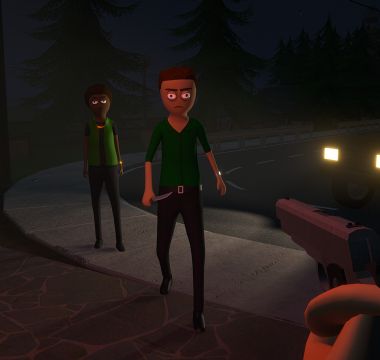
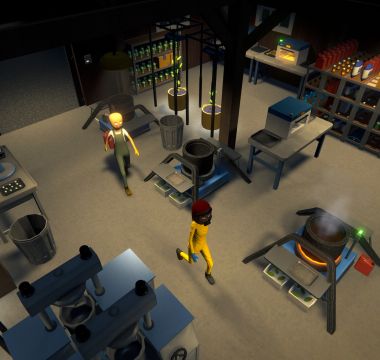
Visually, Schedule I is a standout title in today’s market. The art direction combines both realistic and stylized elements, creating an immersive environment that feels both expansive and intimate. Every environment in the game is distinctly designed with an attention to detail that few contemporary titles can claim. The interplay of light, shadow, and intricate textures makes each scene memorable.
The sound design further elevates the player’s immersion. The carefully crafted ambient sounds, combined with a mesmerizing soundtrack, contribute to an atmosphere that is as eerie as it is compelling. At pivotal moments, the auditory cues are almost cinematic, drawing you into the game’s dramatic highs and lows. Whether it's the foreboding silence before a dramatic twist or the subtle musical changes during a tense puzzle scene, every sound element has its purpose.
Interface and User Experience
Navigating Schedule I is a user-friendly affair. The interface is designed for efficiency, with well-organized menus and customizable controls that allow for an optimal gaming experience. After you download and install the game on your preferred platform, you’ll most likely appreciate how quickly you become familiar with its setup.
The tutorial helps smooth the learning curve without overwhelming you with too many instructions at once. Developers have also ensured cross-platform consistency, meaning the transition from one gaming environment to another (e.g., mobile or PC) is seamless. Moreover, the game is designed to run on a wide variety of systems, ensuring that even lower-spec machines can handle its core features. Additionally, the interface is polished with quality animations and responsive feedback, making the gaming experience progressively rewarding.
Multiplatform Availability and Community Engagement
Schedule I impressively spans multiple platforms, offering accessibility whether you choose to install it on PC, console, or mobile devices. Whether it's available directly for download on official platforms or through emulator-based access, every method is designed to give gamers the freedom to play until satisfied. I was particularly pleased with the unblocked access options, which means you might even find it playable in environments that typically restrict gaming, such as at work or school.
Moreover, a vibrant community has emerged around the game, actively sharing innovative strategies, discussing potential cheats, and creating mods that amplify its replay value. The social aspect of Schedule I is robust, as dedicated forums and discussion boards are filled with insights from experienced players. This grassroots community has become an invaluable resource for tips on navigating challenging puzzles and uncovering hidden aspects of the expansive world.
Technical Performance and Stability
Checking off the technical side, Schedule I holds its ground admirably in performance evaluations. The game runs smoothly on various operating systems, with minimal load times and very few technical hiccups. I did not experience any significant performance problems, and aside from a minor hiccup during one of the more expansive sequences, the gameplay remained consistent and fluid.
The developers have clearly invested heavily in optimizing the software for different hardware configurations. Whether you are installing the game on an older PC or a new console, the stable performance of Schedule I is commendable. The solid frame rates and absence of frequent bugs or crashes contribute greatly to the immersive experience, removing distractions that might detract from the otherwise intensive gameplay.
Replay Value and Customization
What distinguishes Schedule I from many other titles is the high level of replay value it offers. Between its dynamic narrative and various unlockable secrets, you’ll often find yourself returning to the game to explore alternative strategies and narrative arcs. The integration of mods allows for the customization of visuals, gameplay mechanics, and even character development, ensuring that no two playthroughs are entirely identical.
The customization extends to the way you interact with the environment. Various cheats, available within community forums, provide alternate routes if you wish to experiment with the mechanics outside of conventional gameplay practices. This carefully balanced approach to customization sparks creativity and encourages players to explore different perspectives of the game’s world.
Additionally, the game’s replay factor is supported by in-game choices that transcend a single playthrough. Achievements and collectibles track your progress and actions, enhancing the overall sense of accomplishment with each revisit. This multi-layered design appeals to both completionists and casual gamers alike, offering deep satisfaction as you master each level, each challenge, and every hidden secret.
Innovations and Unique Selling Points
Schedule I is not without its risks, but these risks often yield innovative rewards. By steering away from expected gameplay plots and embracing a structure that rewards exploration and experimentation, the game manages to carve out its own niche. Several aspects of the game deserve particular attention, including its mod-friendly environment and emphasis on player agency. Rather than forcing a linear narrative, it shifts dynamics so that players can experiment with different strategies, making every moment an adventure.
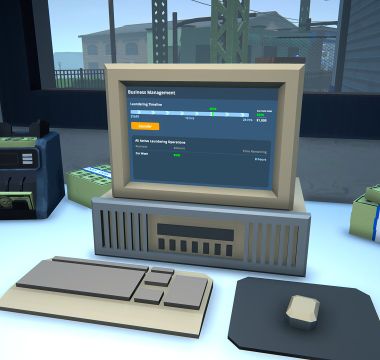
Another innovation lies in how the game handles its in-game economy and resource management. This system isn’t just a backdrop; it significantly influences how you strategize and interact with the game world. Items, abilities, and in-game currencies are carefully balanced so that your decisions have tangible impacts on your progress. This is particularly refreshing in today’s security-focused gaming environment, as it rewards smart economic choices just as much as tactical combat situations.
The strategy elements incorporated in Schedule I are balanced by subtle nods to retro gaming principles. There’s an authenticity that resonates with long-time gamers, and the experience underscores the essence of classic strategy and RPG elements while still pushing the boundaries of modern game design. Whether you choose to enable cheats for alternative challenges or explore mods to enhance the storyline, you are always given a considerable degree of freedom.
Final Thoughts from an Experienced Gamer
Reflecting on my entire experience, Schedule I stands out as a beacon of creativity and engagement. The game compels you to think on multiple levels—tactically, emotionally, and intellectually. Every aspect of the game is designed with the player in mind, from its accessible interface to its expansive community support, ensuring that your experience is both enriching and fun.
The ability to experiment with mods, delve into unique cheats for new challenges, and even just enjoy the unblocked play options across various platforms, lends Schedule I an impressive spread, making it a must-experience title for gamers who crave depth and innovation. Its careful balance of narrative and gameplay creates an immersive world where decisions truly matter and every session offers new revelations.
Whether you are a competitive strategist or someone seeking a narrative-driven journey, Schedule I invites you to explore a playground where creativity meets tactical precision. As a seasoned gamer always on the hunt for the next trailblazing title, I can state with confidence that Schedule I is worth your time. The game seamlessly integrates various elements that keep you engaged for hours and satiates the cravings of veteran players who have seen countless titles over the years.
In closing, Schedule I stands as a testament to what can happen when developers dare to innovate. It challenges the status quo, providing playful experiments for those who wish to see how far game design can go when both narrative and technical aspects merge harmoniously. For any gamer who values originality, depth, and the unyielding desire to explore unique gaming landscapes, this title is a gem in every sense of the word.
How to download Schedule I
Schedule I is available on various platforms, ensuring that everyone—from those on PC to mobile users—can experience its engaging world. Whether you choose to download the game directly from its official site or install it via popular digital distribution platforms, finding the game is straightforward. The game is free for basic access with paid enhancements available through further in-game purchases.
It can be downloaded for PC, Mac, Android, and even consoles, though some of the less common platforms may require an emulator or cloud service to run effectively. To install the game, simply visit your trusted game download platform, locate Schedule I, and proceed with a standard install process guided by on-screen instructions.
The minimum system requirements are modest: a dual-core PC processor, 4GB of RAM, and a decent graphics card for PC users. Mac or Android users should have similar baseline specifications to ensure smooth performance. Cheats and mods are welcome, with active community support offering numerous enhancements and alternative gameplay modifications. Additionally, the game’s design allows for unblocked play, meaning you can typically play it in environments with restricted access such as schools or offices.
Pros

- Innovative narrative that encourages exploration
- Diverse branching storylines providing significant replay value
- Engaging puzzle mechanics and challenging strategic gameplay
- Highly customizable experience through mods and cheats
- User-friendly interface that adapts seamlessly across platforms
- Vibrant community support enhances overall gameplay depth
Cons

- Occasional minor technical glitches during expansive sequences
- Narrative pacing may feel uneven for some players
- Limited guidance for new players can lead to initial confusion
Screenshots