


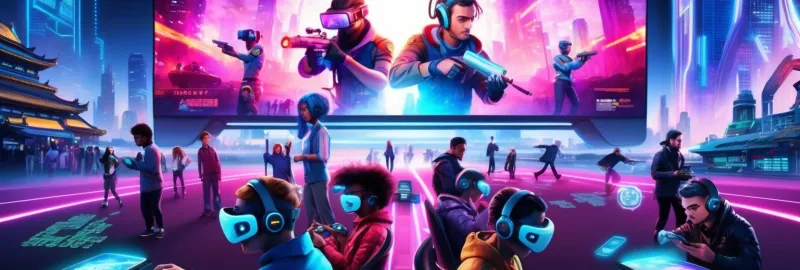
This discussion examines current trends in the gaming industry and how the community of players is evolving in response to evolving forms of entertainment. New research and market behavior indicate a notable shift, raising concerns about the future of video gaming.
More games are demanding an increasing share of your leisure hours than ever before. Rather than simply seeking monetary gains, these games aim to capture every free moment you have, pushing you to collect rewards through continuous gameplay or to unlock special editions available for limited times. As the number of active players declines, companies are "had no alternative except to extract the" maximum engagement from a diminishing audience.
Data provided by an industry analyst highlights that the market for video gamers is contracting in prominent regions worldwide. During the intense period of COVID-19 lockdowns, when digital gaming flourished due to limited alternative activities, participation surged. However, in One possible rewrite is: "nations including the United States and Canada.", current figures now fall below even those seen before the peak of the lockdowns.
Multiple elements drive this trend. For example,, during the period that stretches from 2020 until now, time spent on platforms like a popular short-video app rose dramatically, with viewership in the United States increasing by 50 million hours. Additionally, subscription services for other digital content saw spending more than double. In simple terms, rapidly increasing social media consumption appears to be overshadowing traditional gaming activities.
The consequences of these emerging trends are highly significant for… both players and the companies behind these games. The remaining enthusiasts are facing increased pressure as developers and publishers race to capture their attention amid fierce competition. The industry now finds itself in a challenging era where driving growth has become a strenuous task, as confirmed by the recent analysis of market data.
- Rising demands on players' time from new game designs.
- Decline in gaming numbers in key regions compared to pre-pandemic levels.
- Increased competition from rapidly expanding social media platforms.
- Heightened pressure on game companies to hold onto a smaller audience.