


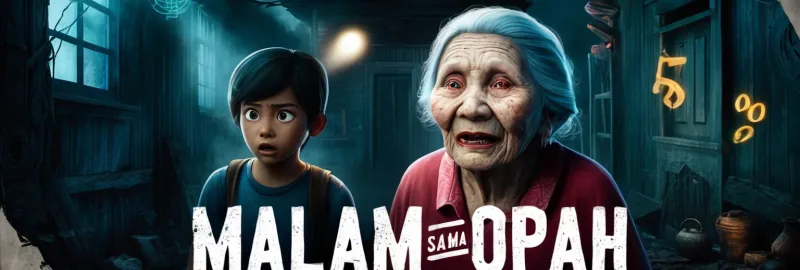
Malam Sama Opah places players in a tense Roblox horror setting that relies on pursuit, uncertainty, and quick decision-making rather than simple darkness alone. The experience begins with a shared ride that quickly shifts into a cramped, unsettling house full of hidden routes, valuable pickups, and a lurking threat that keeps pressure on every move. For players who enjoy horror but appreciate a little help before facing the most frightening moments, redeemable codes provide useful rewards such as spins and Dut. Those freebies can shape how you enter each run, whether you want stronger class options or extra slots to expand your choices. With that mix of fear and progression, the game offers both suspense and motivation.
Riding Toward the House
The opening sequence gives Malam Sama Opah a memorable rhythm by placing everyone on a bus before the real tension begins. That short travel segment works like a quiet pause before the chaos, letting players wonder what the house will act like and who will be capable of survive its layout. Because the group arrives together, the game immediately creates a social horror atmosphere where fear is shared rather than isolated. The ride also functions as a clean transition from lobby-style waiting into active play, helping the experience feel organized while still unpredictable. Even before the first chase begins, the journey sets a mood of nervous anticipation.
A House Built Like a Trap
Once inside, the environment becomes the heart of the challenge. The house is arranged in a way that can feel confusing from the first few turns, with rooms, corridors, and concealment spots that encourage cautious exploration. Its maze-like design is not just for decoration; it directly influences how players search for keys and how they react when danger closes in. Many horror games rely on a wide open space, but this one makes the tight interior feel more claustrophobic. That structure keeps every path feeling important, since a wrong turn can waste time or lead straight into trouble. The setting is compact, but that compactness makes the fear feel more immediate and personal.
Searching for Keys Under Pressure
The main objective is simple on paper: find the keys and escape. In practice, that loop becomes tense because every item you gather happens while you are being pushed to stay alert. This gives the game a strong survival-puzzle tone, where movement, memory, and timing all matter. Keys are not just collectibles; they are the steps that unlock progress and turn a difficult run into a possible escape. Since players must move through the house while staying aware of the enemy’s location, the search process feels dangerous even when things seem quiet. The goal gives the horror structure, and the structure gives the fear a clear direction.
Opah as the Constant Threat
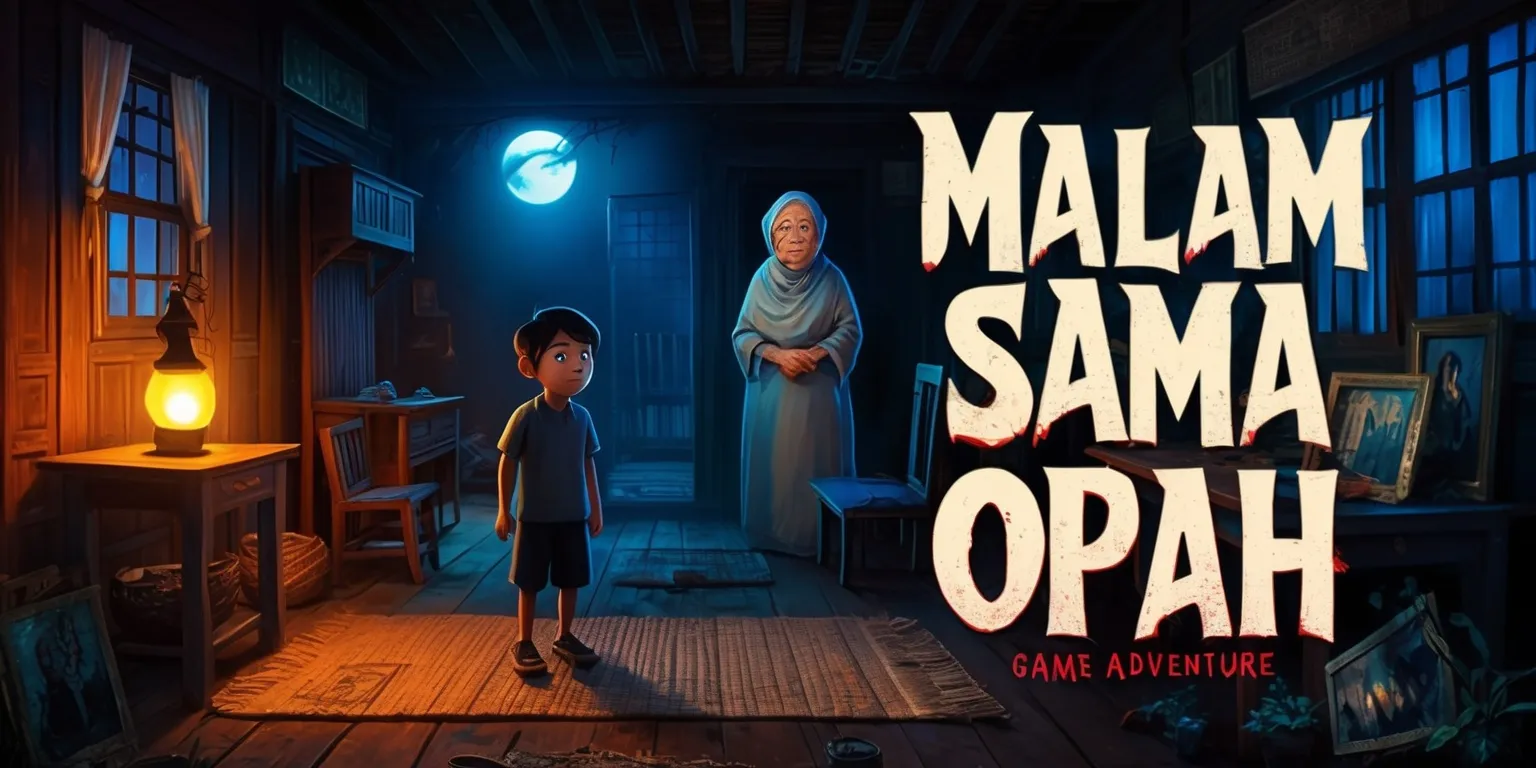
Opah is the pressure point that changes the tone of every match. Once she notices you, the atmosphere shifts fast, and the feeling of safety disappears almost instantly. Instead of waiting around for a scripted scare, players must react to her movement and try to avoid direct contact by making smart choices. That chase element gives the game its strongest identity, because the threat does not feel distant or optional. It feels active and persistent. Opah’s presence also transforms otherwise ordinary rooms into dangerous spaces, since any corridor could become the wrong place at the wrong time. The fear comes not just from appearance, but from how she affects the whole flow of the experience.
Hiding, Escaping, and Staying Alert
Survival in Malam Sama Opah depends on more than speed. Players need to understand when to move, when to pause, and when to search for cover. The game rewards awareness, especially when a chase begins and the safest route is not always the most obvious one. Hiding becomes a helpful resource, though it is not something you can rely on carelessly, because timing matters and staying still for too long can be risky. That balance makes each escape attempt feel different. Some players may sprint through hallways, while others will move carefully and use the environment to stay hidden. The system encourages improvisation, which keeps the gameplay active instead of repetitive.
Dut and the Value of Progression
Not every reward in the game is about surviving a scare. Dut adds a progression layer that makes repeated attempts feel worthwhile even after an unsuccessful round. Since Dut acts as the equivalent of coins, it gives players a reason to continue playing past the brief rush of escaping the house. Collecting it during a run can turn a frightening session into a strategic investment in future access and customization. This kind of currency is especially useful for players who want to expand their class options over time. It adds long-term value to the short-term horror loop, which helps the game stay engaging even when a single match does not go as planned.
Classes and the Pull of Variety
The class system gives players a reason to think beyond one fixed playstyle. Instead of approaching every run in the same way, you can aim for a class that better fits your preferences, whether that means improving your survival options or changing how you navigate the map. Spins are closely connected with this section of the game, making them more than just a bonus. They become a gateway to variety and experimentation. That design choice works well in a horror setting because it allows different approaches to tension. Some classes may encourage bold movement, while others support caution or resource planning. The result is a replayable system that goes beyond a single escape attempt.
Lucky Spins and Their Strategic Appeal
Lucky Spins are especially appealing because they can influence the kind of character path you end up with. In a game built around danger and uncertainty, the chance to improve your odds through a spin-based reward system feels fitting. It matches the unpredictable mood of the horror itself. Players want anything that can help them manage the upcoming round with a bit more confidence, and spins fit that need well. They create a sense of possibility before the game even starts, especially for players looking to try a new class or chase better options. Even outside the horror moments, this reward loop adds excitement through anticipation and reward.
Using Codes to Build a Better Run
Codes in Malam Sama Opah are practical tools that give players a faster route to useful bonuses. They can provide both spins and Lucky Spins, which makes them valuable for anyone who wants a stronger start without relying only on in-game progression. The redemption process is straightforward, so players can jump back into the gameplay quickly after entering a code. That simplicity matters in a game where momentum is important and horror thrives on pacing. By offering limited but meaningful freebies, the code system lets players shape their experience before the match begins. It gives a small but welcome edge to those who want a better chance at surviving the house.
Where the Codes Are Entered
Redeeming rewards is built into the menu system, which keeps the process accessible even for new players. After joining the official Roblox group for the studio, players open the menu in the upper left corner, move into Settings, and then select the Codes tab. From there, entering the code and pressing Redeem is all that is needed. The layout is clean and practical, so the code feature does not distract from the game’s main horror loop. Instead, it feels like a natural support system placed around the experience. That easy access is important because it reduces friction and makes the rewards feel like part of the game’s regular rhythm.
Why Updates Matter for Players
New codes are tied to updates, which gives players a reason to follow the game over time. This approach keeps the reward system active and gives returning players something to check whenever fresh content arrives. It also helps maintain interest between sessions, especially for those who enjoy collecting bonuses or testing new class setups. Update-linked codes create a pattern of anticipation, since players know that new releases may bring another round of useful spins. That ongoing flow supports the game’s replay value and keeps the community watching for changes. In a horror game where repetition could otherwise feel tiring, fresh rewards help maintain excitement and keep the experience lively.
The Meaning Behind the Name
The title Malam Sama Opah carries a cultural flavor that adds another layer to the game’s identity. According to translation, the phrase can be understood as “Night with grandma” or “Evening with grandmother,” which sounds innocent at first but becomes unsettling in the context of a horror experience. That contrast between familiar wording and frightening content makes the name memorable. It also hints at a folklore-inspired mood, which suits a game built around eerie storytelling and sudden scares. The title helps set expectations before the match even begins, suggesting something personal, domestic, and deeply uncomfortable. That blend of ordinary language and horror atmosphere gives the game its distinctive edge.
The Feel of the Horror Experience
Malam Sama Opah stands out because its fear does not depend on an overblown spectacle. Instead, it uses closeness, chase pressure, and repeated uncertainty to create tension. The game becomes unsettling because the house feels alive with danger, and Opah’s pursuit makes every choice matter. Even players who are used to horror may find the pacing effective because it keeps them active rather than passive. The atmosphere is grim enough to be memorable, but not so sprawling that it loses focus. Each run asks you to scan, move, hide, and adapt. Combined with the spin rewards and currency system, the game creates a mix of dread and progression that feels unusually sticky.
Getting More Out of Each Session
Because the game blends a frightening chase structure with reward-based progression, players who pay attention to codes and updates can stretch their enjoyment much further. The extra Spins and Lucky Spins help with class selection, while Dut supports broader access to character slots. That means each session can feed into the next, slowly improving the tools available for future attempts. The design works especially well for players who like horror with long-term goals, since it gives every match some practical value. Whether you are entering the house for the first time or returning with a new setup in mind, the rewards system gives every run a deeper meaning that goes past simple survival.